FAT and SNF in Milk Explained – Complete Guide for Dairy Farmers & Milk Collection Centers
Dairy Industry Guides Milk FAT and SNF in Milk Explained – Complete Guide for Dairy Farmers & Milk Collection Centers
Milk quality is one of the most important factors in the dairy industry. Whether you are a dairy farmer, milk collection center owner, dairy plant operator, or milk analyzer user, you often hear two important terms:
- FAT
- SNF (Solid-Non-Fat)
These two values decide the quality, pricing, and nutritional value of milk.
In this blog, we will explain FAT and SNF in simple language, how they are measured, why they are important, and how milk analyzers help in accurate testing.
What is FAT in Milk?
Milk fat is the natural fat present in milk. It mainly consists of butterfat and gives milk its:
- Creamy texture
- Rich taste
- Energy value
The FAT percentage tells us how much fat is present in milk.
Example
If milk contains:
- 6% FAT
It means 100 liters of milk contains 6 liters of milk fat.
What is SNF in Milk?
SNF means Solid-Non-Fat.
It includes all the solid nutrients in milk except fat, such as:
- Protein
- Lactose (milk sugar)
- Minerals
- Vitamins
SNF is extremely important because it represents the nutritional quality of milk.
Components of SNF
SNF mainly contains:
| Component | Importance |
|---|---|
| Protein | Body growth and muscle development |
| Lactose | Energy source |
| Minerals | Calcium and phosphorus |
| Vitamins | Nutritional benefits |
Difference Between FAT and SNF
| FAT | SNF |
|---|---|
| Fat portion of milk | Non-fat solids in milk |
| Gives creaminess | Gives nutrition |
| Affects taste | Affects density and quality |
| Measured in percentage | Measured in percentage |
Standard FAT and SNF Values in Milk
Cow Milk
| Parameter | Typical Range |
|---|---|
| FAT | 3.5% – 5.5% |
| SNF | 8.0% – 9.0% |
Buffalo Milk
| Parameter | Typical Range |
|---|---|
| FAT | 6.0% – 8.0% |
| SNF | 9.0% – 10.5% |
Why FAT and SNF are Important
1. Milk Pricing
Most dairy plants and cooperatives purchase milk based on FAT and SNF values.
Higher FAT and SNF = Better milk price.
2. Milk Quality Testing
These values help identify:
- Water adulteration
- Poor quality milk
- Nutritional content
3. Dairy Product Manufacturing
Different dairy products require different FAT levels.
| Product | FAT Requirement |
|---|---|
| Butter | High FAT |
| Ghee | Very High FAT |
| Paneer | Balanced FAT & SNF |
| Skim Milk | Low FAT |
How FAT and SNF are Measured
Traditionally, testing was done manually using:
- Gerber method
- Lactometer
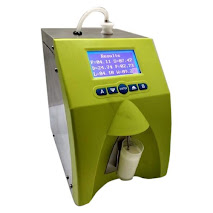
Today, most dairies use digital milk analyzers for fast and accurate testing.
Milk analyzers can instantly measure:
- FAT
- SNF
- Density
- Added water
- Protein
- Lactose
Formula Used for SNF Calculation
SNF is often calculated using lactometer reading and FAT percentage.
Common formula:
Where:
- CLR = Corrected Lactometer Reading
- FAT = Milk fat percentage
What Happens if FAT or SNF is Low?
Low FAT or SNF may indicate:
- Water mixing in milk
- Poor cattle nutrition
- Health issues in animals
- Improper milk handling
This directly affects milk quality and dairy profits.
Tips to Improve FAT and SNF in Milk
Improve Animal Feed
Provide:
- Green fodder
- Mineral mixture
- Balanced cattle feed
Maintain Animal Health
Healthy animals produce better quality milk.
Regular:
- Vaccination
- Deworming
- Veterinary checkups are essential.
Proper Milking Practices
- Clean milking environment
- Fixed milking schedule
- Hygienic storage help maintain milk quality.
Role of Milk Analyzers in FAT & SNF Testing
Modern milk analyzers are widely used in:
- Dairy farms
- Milk collection centers
- Chilling centers
- Dairy plants
Benefits include:
- Fast testing
- Accurate results
- Reduced manual errors
- Transparent milk purchasing
Conclusion
FAT and SNF are the backbone of milk quality testing in the dairy industry.
- FAT determines creaminess and energy value.
- SNF determines nutritional quality.
Understanding these values helps dairy farmers improve milk quality and increase profits.
With modern milk analyzers, testing FAT and SNF has become faster, easier, and more reliable than ever before.
Frequently Asked Questions (FAQs)
What is a good FAT percentage in milk?
Cow milk usually contains 3.5%–5.0% FAT, while buffalo milk contains 6%–8% FAT.
Why is SNF important?
SNF represents the nutritional solids in milk like protein, lactose, and minerals.
Can water reduce SNF?
Yes. Adding water lowers both SNF and FAT values.
Which machine is used to test FAT and SNF?
Digital milk analyzers are commonly used for milk testing.
Does buffalo milk have more FAT than cow milk?
Yes, buffalo milk generally has much higher FAT content than cow milk.